
Major Roles, Bigger Expectations
After Mrs. Doubtfire, Wilson continued booking high-profile projects. In 1994, she appeared in Miracle on 34th Street, stepping into a role with serious legacy. She later described the experience as surreal, and her sharp, matter-of-fact personality stood out—an energy that made her memorable beyond typical “child star” stereotypes.
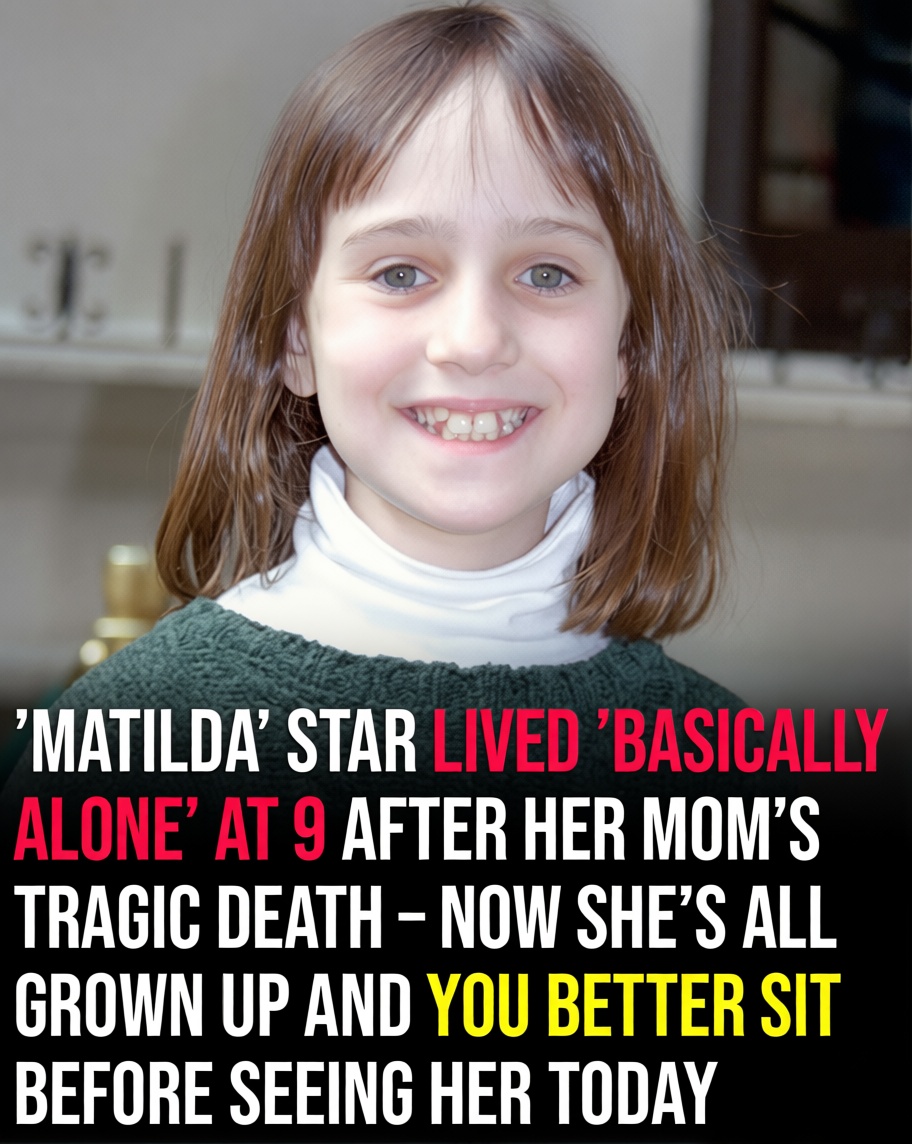
Then came the role most people still associate with her: Matilda (1996), directed by Danny DeVito and co-starring Rhea Perlman. The film became a classic, and for many viewers it remains one of the defining family movies of the decade.
Success on Screen, Grief Off Screen
While her career looked unstoppable from the outside, Wilson’s personal life was changing in painful ways. During the period around Matilda, her mother, Suzie, was battling breast cancer. Wilson has shared that losing her mother at such a young age created a permanent “before and after” in her life.
Fame didn’t soften that loss. If anything, the pressure of public attention made everything heavier. She has described feeling deeply unhappy despite being widely recognized and in demand, craving privacy and a normal childhood instead of constant scrutiny.
When Hollywood Stops Calling
As Wilson entered her teen years, the roles started drying up. Not because she suddenly lost talent—but because the industry often struggles with one unavoidable reality: kids grow up. Hollywood tends to reward a very specific look and vibe, and when a former child star no longer fits that mold, the phone can stop ringing.
Wilson has spoken about how harsh that shift felt. She went from being praised constantly to feeling overlooked. Like many young performers, she internalized the industry’s message and began connecting her career slowdown to her appearance—an emotionally damaging mindset that can follow people for years.
That’s one of the most uncomfortable truths behind child actor careers: the system can treat young talent like a product with an expiration date. When the “brand” changes, support disappears.
Burnout, Disillusionment, and Stepping Away
By 2000, Wilson appeared in Thomas and the Magic Railroad, which became one of her last major film projects. She has said that even reading certain scripts at that point felt off—too juvenile, too disconnected from what she had already experienced in real life. After years of sets, schedules, and expectations, burnout wasn’t surprising.
Eventually, acting faded from her life—not as a dramatic headline moment, but as a gradual exit. And in hindsight, that distance became something else: relief.
A New Career: Writing, Identity, and Control
Today, Mara Wilson is widely respected for what she built after Hollywood. She shifted from acting into writing, using her voice on her own terms instead of performing for approval. Her memoir Good Girls Don’t and her essays explore the strange rules of fame, the emotional reality of growing up on sets, and the pressure placed on young girls to be “perfect.”
Her story isn’t just about Hollywood “abandoning” someone—it’s about what happens when a person decides their value can’t be measured by casting calls, box office numbers, or whether strangers think they’re cute.
In the end, stepping away wasn’t failure. It was a form of self-protection—and a powerful reminder that a life can get better when you stop letting an industry define your worth.
What do you think—does Hollywood do enough to protect child actors today, or are the same patterns still happening? Share your thoughts in the comments, and if you want more stories like this, stick around and explore the next article.