
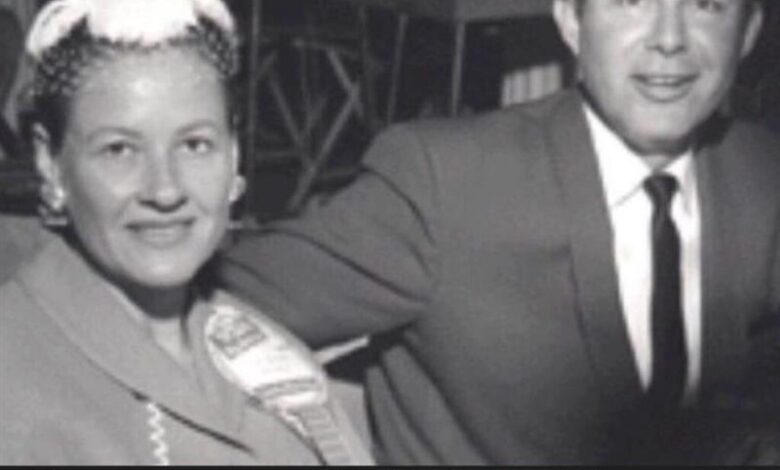
A Real-Life Moment Turned Into a Classic Country Hit
The origin of the song is part of what makes it hit so hard. The idea came from songwriter Joe Allison, inspired by something he witnessed: a man at a bar, on the phone, trying to hold onto a relationship that was slipping away. Out of that moment came one of the most unforgettable lines in classic country music:
“Put your sweet lips a little closer to the phone.”
No complicated metaphors. No over-writing. Just a human plea—simple, vulnerable, and completely believable.
Chet Atkins, The Nashville Sound, and a Production That Let the Song Breathe
When Reeves recorded “He’ll Have to Go,” he didn’t oversell the heartbreak. He did the opposite: he trusted restraint. Under the careful guidance of producer Chet Atkins, the arrangement stayed clean and minimal, giving the vocal all the room it needed.
This approach became a cornerstone of what later came to be known as the Nashville Sound—a smoother blend of country and pop designed to reach wider audiences without losing emotional truth. It wasn’t about watering country music down. It was about presenting it with clarity and elegance.
Chart Success That Proved Country Could Go Mainstream
The public response was immediate. “He’ll Have to Go” reached the top of the country charts and crossed over to the pop world, climbing as high as No. 2. At the time, that kind of crossover success was rare, and it sent a message the industry couldn’t ignore: country music could compete on a mainstream level while staying authentic.
Cover Versions Came and Went—But the Original Stayed Untouchable
Plenty of major artists recorded their own takes on the song, including Elvis Presley and Ry Cooder. Each version brought a different flavor, proving how strong the songwriting really is. Still, Reeves’ recording remains the standard—not because it’s louder or more dramatic, but because it understands the power of stillness.
The magic isn’t only in the lyrics or melody. It’s in the pauses, the soft phrasing, and the feeling that the singer is holding something back—because that’s what real heartbreak often sounds like.
A Legacy That Reached Far Beyond One Era
Jim Reeves helped clear a path for artists who wanted to blend styles and reach broader audiences without sacrificing sincerity. Long after his time, country-pop crossover became the norm, and while the genre evolved, the blueprint remained: strong storytelling, emotional connection, and a sound that welcomes more listeners in.
His influence can be felt across generations of modern country and crossover music—proof that a gentle delivery can still make a massive impact.
A Life Cut Short, A Song That Never Left
In 1964, Reeves died in a plane crash at just 40 years old. It was a sudden loss that left fans and the music world wondering what more he might have created. But one thing became clear over time: songs like “He’ll Have to Go” don’t disappear. They wait for the next listener.
Even now, decades later, the track doesn’t feel dated. The longing still feels current. The simplicity still feels rare. In a world that often confuses volume with meaning, Jim Reeves proved something lasting:
You don’t have to raise your voice to be unforgettable.
Enjoyed this deep dive into classic country music history? Share your favorite Jim Reeves song in the comments and tell us which timeless track you think still deserves more attention today.