
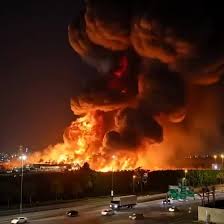
The most responsible summary, based on what can be verified, is this: the strike affected a synagogue area and nearby shelter spaces where people were present. Anything more detailed than that should be treated cautiously until confirmed by official engineering assessments or clear, on-the-record statements.
The Bigger Picture: Escalation Involving Israel, Iran, and the U.S.
The Beit Shemesh strike is unfolding within a broader regional escalation involving Israel, Iran, and the United States. Military activity, diplomatic messaging, and international concern are all intensifying at the same time.
Israeli officials, including President Isaac Herzog, have emphasized coordination with U.S. efforts aimed at preventing Iran from advancing nuclear capabilities. Meanwhile, international humanitarian organizations and the United Nations continue to stress civilian protection—especially for children and other vulnerable groups—in areas affected by conflict.
Do Shelters Work? Yes—But No System Is Perfect
Civil defense has become a central topic as alerts and impacts increase. Bomb shelters and protected spaces save lives by reducing exposure to blast pressure, debris, and shrapnel. However, their effectiveness depends on factors such as:
- Construction standards and maintenance
- Distance from the impact point
- Angle and intensity of the strike
- Warning time and public compliance
Officials have repeatedly noted a difficult truth: no shelter can guarantee total safety under direct or near-direct hits. Even so, shelters remain one of the most important tools for reducing casualties during missile attacks.
Social Media vs. Reliable Updates: How to Avoid Misinformation
In a crisis, social platforms can help people share safety information—but they also amplify rumors. Posts framed as urgent often rely on unnamed officials, recycled footage, or incomplete context. If you’re trying to follow events responsibly, prioritize:
- Official government statements and named spokespersons
- Major wire services (for example, Reuters)
- Established national outlets with on-the-ground reporting
- Direct quotes that can be traced to a verifiable source
When details are still developing, careful language matters. Credible reporting typically uses phrasing like “officials said,” “according to confirmed reports,” or “authorities are assessing”—rather than presenting unverified claims as fact.
What We Can Confirm Right Now
Based on widely reported, credible information:
- Beit Shemesh experienced a ballistic impact linked to Iranian launches (reported date: March 1, 2026).
- Nine fatalities have been confirmed, with numerous injuries.
- Civilians were harmed while seeking shelter, underscoring how unpredictable and dangerous attacks can be.
- Some viral structural claims remain unverified and should be treated as unconfirmed until officially supported.
Why Verification Is the Most Important Update
Fast updates can be compelling, but in a real-time emergency, misinformation can spread fear, distort decision-making, and erode trust. The safest approach—for readers and for publishers—is to weigh every claim against confirmed evidence and clearly label what is known versus what is still being investigated.
As Tel Aviv and surrounding communities remain on edge, the priority remains the same: protect civilians, rely on verified reporting, and treat “instant” social media claims with caution.
Stay informed the smart way: If you found this breakdown helpful, share it with someone who relies on social media for updates—and bookmark this page for follow-up coverage as more verified details emerge.