
- Nutrition (protein intake, iron status, key vitamins and minerals)
- Stress and sleep quality
- Overall lifestyle (activity level, smoking, alcohol use)
- Underlying health conditions
Research discussed for decades in medical literature suggests nail growth tends to slow gradually after early adulthood. This doesn’t “predict” how long someone will live, but it can serve as a rough signal tied to biological aging—how well your body is operating internally compared to your chronological age.
What Doctors Look for: Nail Color, Texture, and Shape Changes
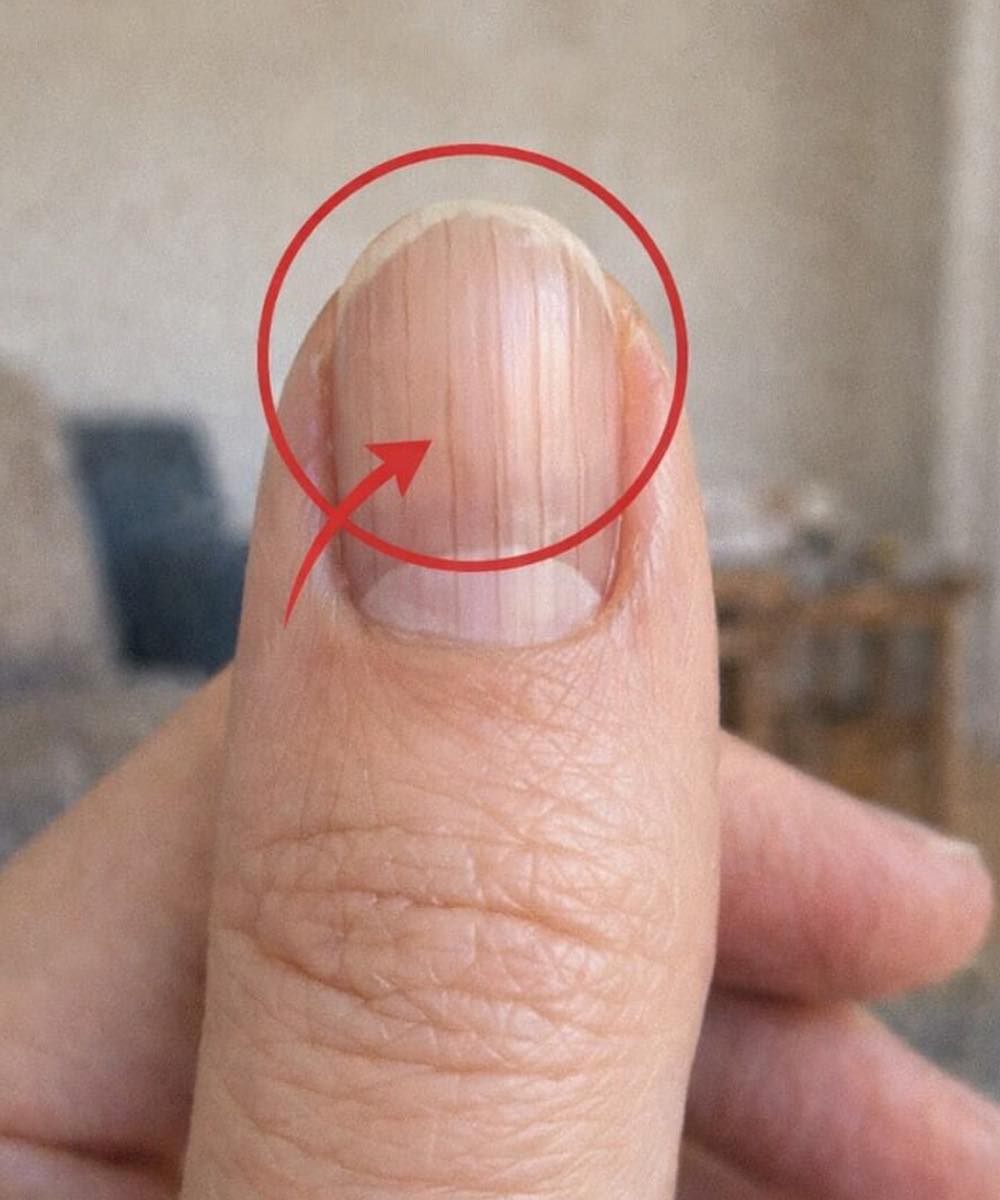
Beyond growth speed, the appearance of your nails is where nail health becomes more clinically meaningful. Healthcare professionals sometimes use nail changes as clues that warrant a closer look—especially when changes are persistent, worsening, or paired with other symptoms.
Examples of nail changes that may deserve attention include:
- Unexplained discoloration that doesn’t grow out
- Noticeable shape changes in the nail or nail bed
- New ridging, pitting, or thickening across multiple nails
- Separation of the nail from the nail bed
Importantly, nails don’t provide a diagnosis on their own. They simply raise a flag that something—sometimes minor, sometimes more significant—might be going on.
Common, Non-Serious Reasons Nails Change
It’s easy to spiral after spotting something “off” on a fingertip. But many nail issues are caused by everyday life rather than a major medical problem.
Some of the most common culprits include:
- Frequent handwashing and sanitizer use (dryness and brittleness)
- Cleaning chemicals that weaken keratin
- Seasonal weather (winter dryness often leads to splitting or peeling)
- Minor injuries (small white marks or temporary ridges)
- Diet gaps (not enough protein, iron, or other nutrients)
If a single nail looks different after a busy week, a new manicure routine, or a minor bump, it may simply need time to grow out.
A Smart, Calm Approach: What to Do If You Notice Nail Changes
If your nails look unusual, the best strategy is a mix of awareness and common sense—not panic.
1) Watch for patterns, not one-off changes
A tiny spot on one nail often means very little. But changes that spread to multiple nails, keep worsening, or don’t improve over time deserve more attention.
2) Review lifestyle and routine triggers
Ask yourself what changed recently: new medications, higher stress, less sleep, dietary shifts, new products, or increased chemical exposure. Supporting your body with balanced nutrition and adequate protein can help many minor nail issues improve.
3) Get professional guidance when it’s persistent or concerning
If you notice ongoing discoloration, significant shape changes, pain, swelling, or anything that doesn’t resolve, it’s reasonable to speak with a qualified healthcare professional or dermatologist for proper evaluation.
The Bottom Line: Nails Don’t Predict Your Death—They Reflect Your Current Health
Your fingernails won’t tell you the exact length of your life. What they can do is act like a small, visible dashboard—offering clues about aging, overall wellness, and sometimes early signs that your body needs support.
Think of nail health as part of a bigger picture: paying attention, staying proactive, and making steady choices that improve your healthspan—the years you live with energy, strength, and quality of life.
Want more practical longevity and wellness tips? Share in the comments what nail change you’ve noticed (growth, ridges, brittleness, discoloration), and subscribe/bookmark this page so you don’t miss the next guide.