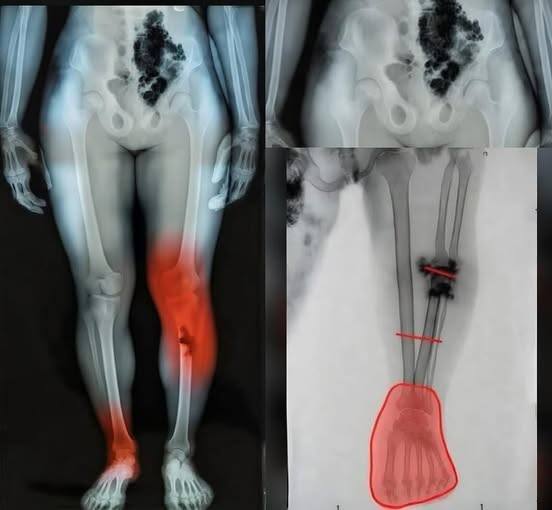
The Hidden Factor: Ongoing Inflammation
One of the biggest reasons recovery can feel confusing is something you can’t see: low-grade inflammation. Even when your doctor says the infection is gone or the surgery site looks good, the body’s internal “alert system” may stay activated for a while.
This lingering inflammation can contribute to common post-recovery complaints such as:
- Persistent fatigue (even after a full night’s sleep)
- Muscle soreness or weakness that seems out of proportion
- Joint stiffness and reduced mobility
- Brain fog, slower recall, or trouble concentrating
- Mood changes, irritability, or feeling “not like yourself”
These symptoms can be unsettling, but they often reflect a body that’s still repairing behind the scenes. In many cases, slow improvement is still real improvement.
“Slow” Doesn’t Mean “Stuck”—But You Need to Know the Difference
Healthcare providers increasingly stress an important point: a slower recovery timeline after 60 is common, and it doesn’t automatically mean something is wrong. The body may simply need more time to rebuild strength, stabilize systems, and restore endurance.
That said, recovery should still move in the right direction overall. Rest is not laziness—it’s part of the treatment plan. The goal is to support healing without ignoring warning signs that require medical attention.
Red Flags You Shouldn’t Brush Off as “Just Aging”
Some symptoms are not typical “recovery discomfort” and deserve prompt evaluation—especially for older adults managing heart health, lung function, or chronic conditions.
Contact a medical professional right away if you notice:
- Chest pain or pressure that doesn’t go away
- Shortness of breath during simple tasks that used to be easy
- A racing or irregular heartbeat while resting
- Sudden swelling in the legs, feet, or abdomen
- New confusion, fainting, or severe dizziness
These aren’t inconveniences to “push through.” They can signal that the circulatory, respiratory, or filtration systems are under strain—and getting help early can prevent bigger complications.
The Bigger Picture: Recovery After 60 Shows How Resilient the Body Really Is
Healing later in life is not a sign that the body is failing. It’s proof that the body is still fighting for stability—just with a different pace and strategy. When you acknowledge that the internal repair process needs time, you can replace fear with a smarter approach: listen closely, rest intentionally, and seek support when symptoms don’t fit the normal recovery pattern.
The road back may be longer than it used to be, but the destination can be the same: stronger days, steadier energy, and a return to the routines and relationships that make life meaningful.
Enjoyed this article? Share it with a friend or family member who’s recovering after illness or surgery, and leave a comment with your experience—what helped you bounce back, and what surprised you most during the process?