
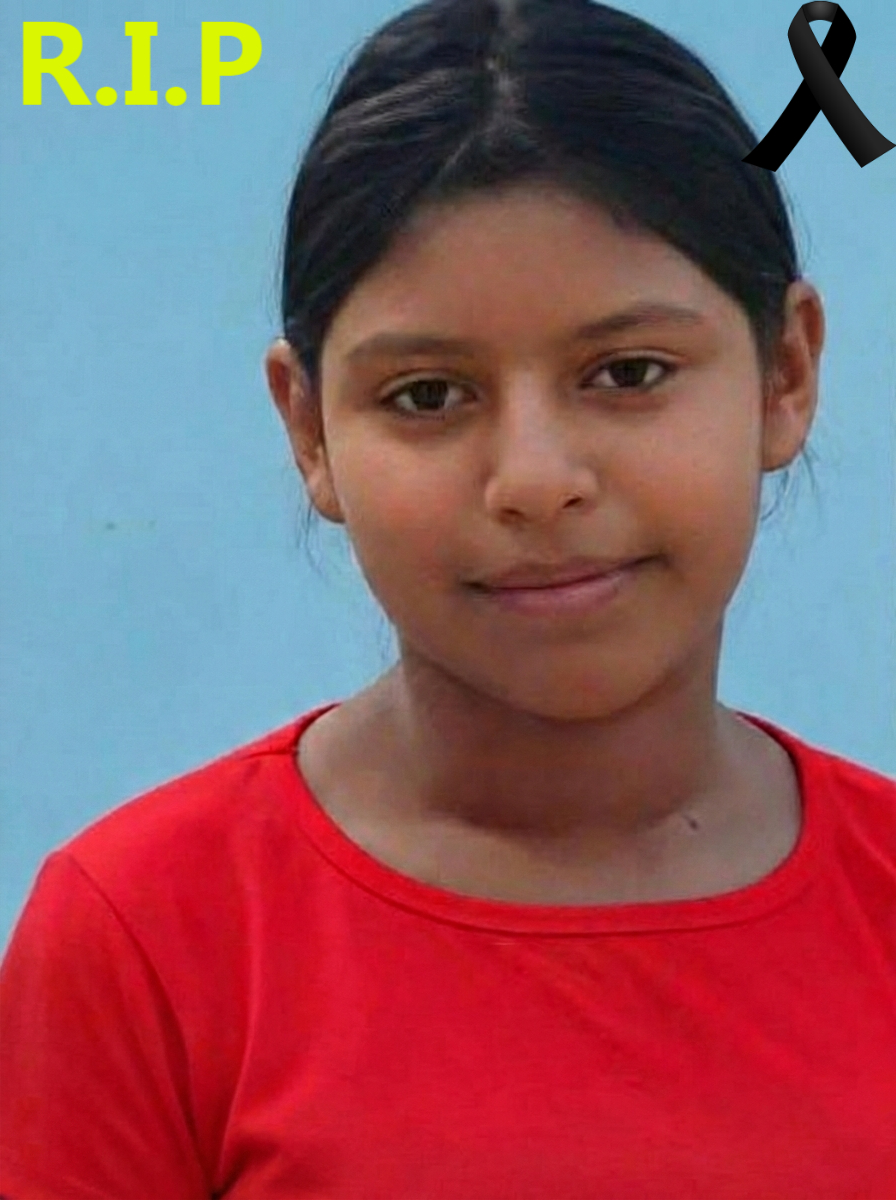
A Disturbing Discovery Near a Busy Transit Area
Later, a call to emergency services changed everything. A neighbor reported a powerful odor coming from a vacant, overgrown lot near the Constitución de 1917 metro station—an area typically associated with commuters, noise, and constant movement.
When authorities arrived, the scene quickly shifted from concern to heartbreak. Police secured the area, lights flashed across the night, and the space was transformed into a crime scene—one no family ever imagines will be connected to their child.
The discovery of Perla’s body shattered any remaining sense of normalcy. What happened was not an accident. It was a violent act that left a grieving family searching for answers—and a community demanding to know how something so horrific could happen so close to everyday life.
Arrests, Anger, and a Public Demand for Accountability
Investigators moved quickly, and four suspects were reportedly detained. Yet instead of easing the community’s pain, the arrests intensified public pressure. Many residents voiced a familiar fear: that the truth could be delayed, diluted, or lost in a system people often don’t trust.
Calls for transparency and justice grew louder online and in the streets. People demanded that the case be handled with urgency, that evidence be taken seriously, and that no one—regardless of connections or influence—be protected from consequences.
The Bigger Issue: Safety Gaps That Put Families at Risk
Perla’s story has become more than a single tragedy. For many, it reflects a broader reality in neglected neighborhoods where public safety feels uncertain and prevention is treated like an afterthought.
Residents describe conditions that can make any area more dangerous: poor lighting, limited patrols, neglected lots, and weak infrastructure—factors that create opportunities for predators and reduce the chances of timely intervention.
In places like the surroundings of major transit hubs, where thousands pass through daily, the expectation is that security should be stronger—not weaker. And yet, communities often say they’re left to protect themselves with limited resources and fewer safeguards than they deserve.
Grief Turned Into Resolve
Outside Perla’s home and near the station, memorials appeared: candles, handwritten notes, and posters carrying messages too painful to speak aloud. Her family has asked for privacy to mourn, but many supporters insist on one thing—Perla’s name must not become “just another headline” that fades with the next news cycle.
For the community, this has become a line in the sand: a demand that child safety be treated as a non-negotiable priority.
What People Are Now Calling For
In the wake of the case, community voices and advocates have pushed for practical, urgent reforms, including:
- Stronger child protection policies and faster response protocols for missing children
- Improved neighborhood security, including lighting, cameras where appropriate, and consistent patrols
- Safer urban planning to eliminate abandoned lots and poorly monitored “blind spots”
- Prevention education that helps children and families make safer choices without shifting blame onto victims
As the investigation continues and legal proceedings move forward, many people are watching closely—not only for justice in Perla’s case, but for proof that meaningful change can follow.
A Future That Should Never Cost a Child’s Life
Perla left home for candy. That’s it. A small moment of childhood that should have ended with a smile and a sweet in her hand. Instead, her story has become a painful reminder of what can happen when safety fails and warning signs are ignored.
If anything good can be built from such loss, it will come from sustained attention, real accountability, and community-driven action—so that no parent has to fear a simple errand ever again.
What do you think would make neighborhoods safer for children right now—better lighting, stronger policing, community programs, or something else? Share your thoughts in the comments, and if this story moved you, pass this article along to keep the conversation alive.