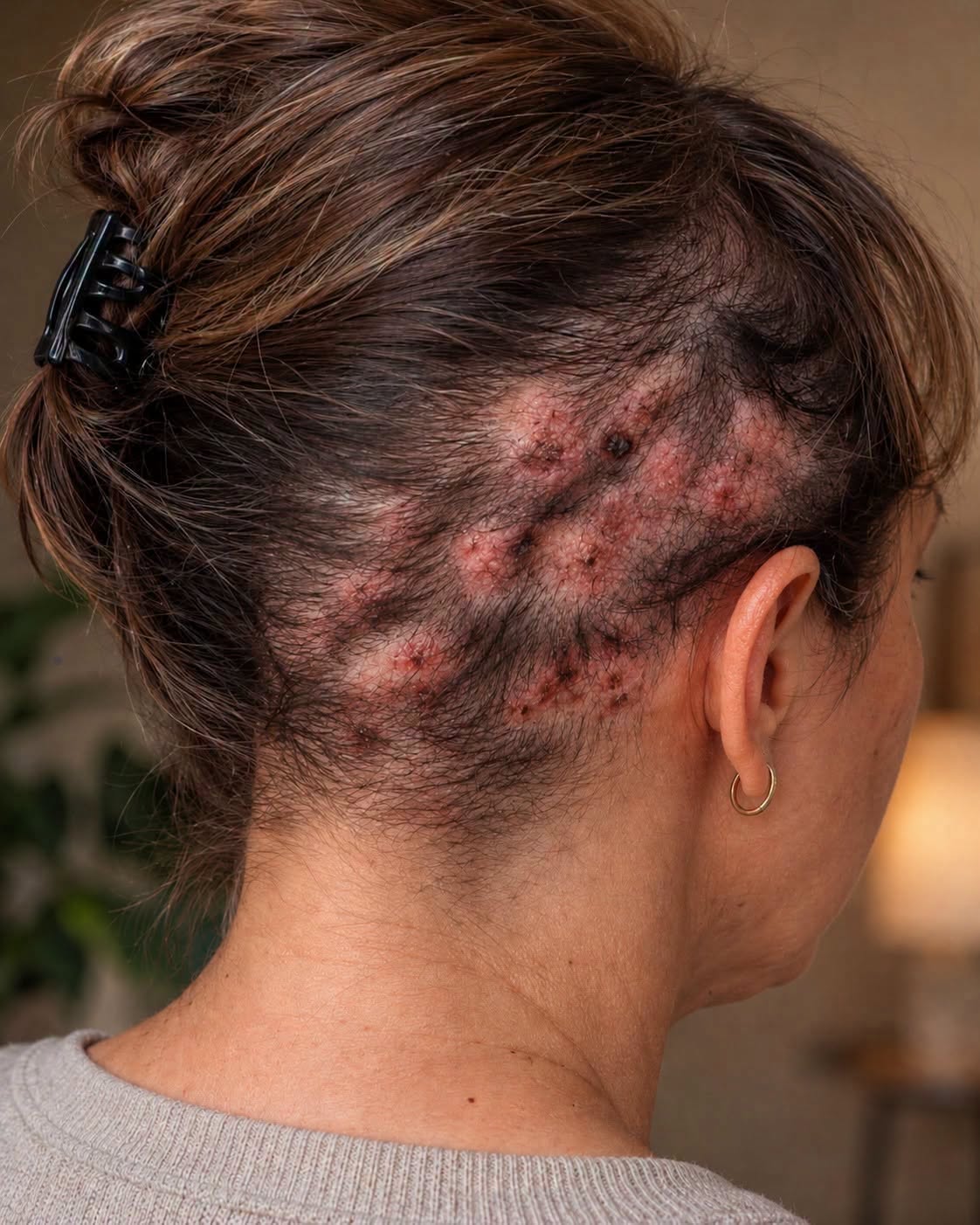
One reason the condition is easy to overlook is that the affected skin may not hurt, itch, or cause any other noticeable discomfort.
A healthcare professional can examine the skin and determine whether blood tests or further evaluation would be appropriate.
When Should You Get It Checked?
Consider making an appointment with a healthcare professional if the skin changes:
- Appear suddenly
- Spread or become more noticeable
- Are accompanied by unusual tiredness
- Occur along with increased thirst
- Occur with frequent urination
These symptoms can have many different causes, so they should not be used to diagnose yourself. A proper medical evaluation is the best way to determine what may be causing the changes.
What Can Help?
Treatment depends on the underlying cause.
If insulin resistance or another health condition is contributing to the skin changes, addressing that underlying issue may gradually improve the appearance of the skin.
Depending on your individual circumstances, healthy eating habits, regular physical activity, appropriate weight management when recommended by a healthcare professional, and routine medical checkups can all support overall metabolic health.
Most importantly, don’t aggressively scrub the affected skin or blame yourself for the change. Acanthosis nigricans is not caused by being unclean.
Your skin can sometimes provide clues about what is happening elsewhere in your body. If you notice a change that is unusual for you and does not go away, paying attention to it—and seeking professional advice when appropriate—can be a smart first step.
Have you ever noticed a skin change that turned out to have a deeper explanation? Share your experience in the comments, and consider passing this article along to someone who might find it helpful.