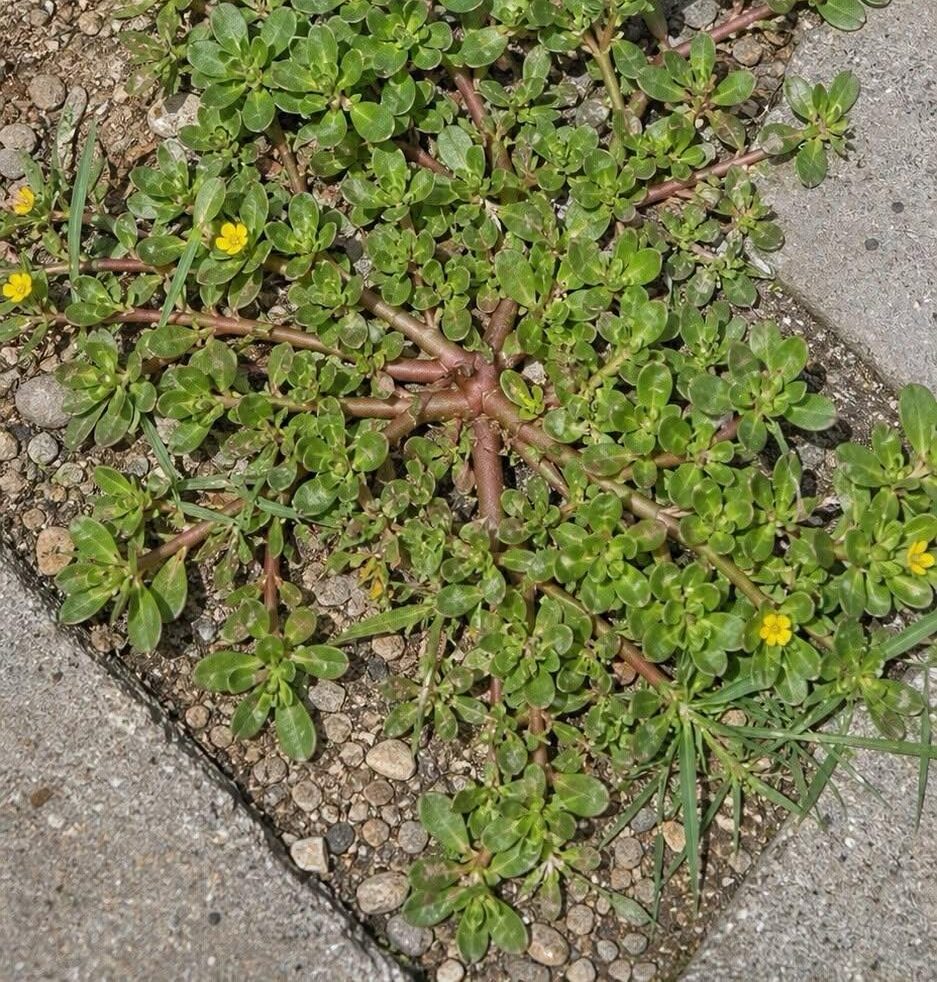
That nutritional profile has helped purslane earn attention from gardeners, food enthusiasts, and people interested in adding more variety to their diets.
Still, it is important to separate promising nutrition from exaggerated health claims.
Eating purslane is not a guaranteed treatment for headaches, sleep problems, high cholesterol, anxiety, or other medical conditions. While individual nutrients found in the plant play important roles in normal body function, the effects of eating one food can vary from person to person.
Purslane also naturally contains compounds such as oxalates, which may be a consideration for people who have been advised to limit high-oxalate foods. Anyone with kidney concerns or specific dietary restrictions may want to speak with a qualified healthcare professional before making major changes to their diet.
And there is one more important warning: correct identification matters.
Not every low-growing plant with thick leaves is purslane, and some look-alikes may be unsafe to eat. Plants growing near roadsides, treated lawns, or areas exposed to pesticides and other contaminants should not automatically be considered suitable for consumption.
If you are certain you have correctly identified purslane and know it has been grown or harvested from a safe area, it can be an interesting addition to a balanced diet.
Sometimes, the most overlooked plants can inspire us to look at our surroundings differently. What appears to be an unwanted garden visitor may have a long culinary history and a place on the dinner table.
Have you ever eaten purslane, or have you been pulling it out of your yard for years? Share your experience in the comments—and let us know what surprising edible plant people should discover next!