
Other Common Reasons Your Scalp Suddenly Acts Up
Scalp flare-ups rarely have only one cause. Often, it’s a combination of seasonal changes and routine shifts, such as:
- Cold weather + indoor heating drying out the skin barrier
- Stress and poor sleep increasing inflammation in the body
- Switching shampoos or styling products (even “natural” ones)
- More hats, dry shampoo, or heavy products leading to buildup
If your symptoms started after a new product, it may be contact dermatitis—a reaction to fragrance, preservatives, dyes, or harsh cleansing agents.
Dandruff vs. Seborrheic Dermatitis: Why It Matters
Not all flakes are the same, and the best treatment depends on what’s actually happening.
Typical dandruff is often mild, with small white flakes and minimal redness.
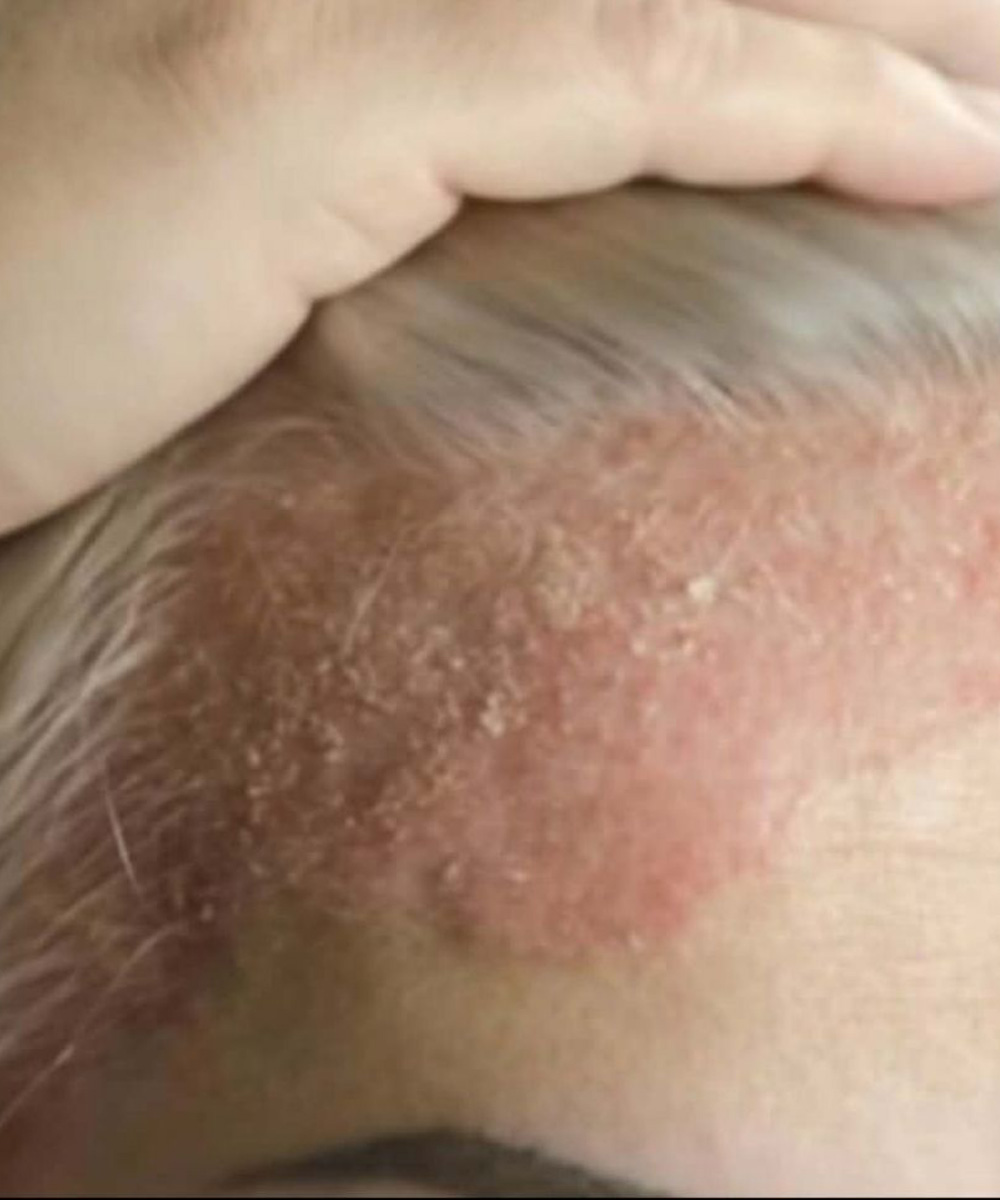
Seborrheic dermatitis tends to be more stubborn and may look like:
- Red or inflamed patches
- Greasy or yellowish scales
- Thicker flakes that keep coming back
This condition is commonly linked to an inflammatory reaction involving a naturally occurring yeast on the skin. Stress and winter weather often make it worse—exactly when many people notice flare-ups.
Other conditions can mimic dandruff, including psoriasis (thicker plaques with silvery scale), eczema (very dry, intensely itchy skin), and tinea capitis (a fungal infection that can cause patchy hair loss). If symptoms are severe or unusual, it’s worth getting a professional opinion.
Safer Ways to Calm an Itchy, Flaky Scalp
If your scalp is acting up, focus on proven, scalp-friendly steps—no extreme hacks required.
1) Dry your hair before bed
Give your scalp a chance to stay balanced overnight. If you shower late, towel-dry thoroughly and use a blow dryer on a low/medium heat setting if needed.
2) Use an anti-dandruff shampoo consistently
Over-the-counter options can be very effective when used regularly for a few weeks. Look for active ingredients such as:
- Ketoconazole
- Selenium sulfide
- Zinc pyrithione
- Salicylic acid
- Coal tar
Follow label directions and give it time—these products usually work gradually, not overnight.
3) Avoid aggressive “DIY” treatments
Some home remedies (like oils or vinegar mixes) may help certain people, but they can also backfire—especially if they trap moisture, irritate sensitive skin, or worsen inflammation. If you try anything new, patch test first and stop if burning or redness increases.
4) Reduce scalp triggers
- Choose gentle, sulfate-free cleansers if you’re sensitive
- Avoid scratching (it can worsen inflammation)
- Rinse thoroughly to prevent residue buildup
- Support skin health with hydration, balanced nutrition, and stress management
When to See a Dermatologist
Don’t wait it out if you notice any of the following:
- Severe pain, swelling, or warmth
- Pus, crusting, or signs of infection
- Rapidly spreading rash
- Sudden or patchy hair loss
- No improvement after a few weeks of consistent treatment
These signs may indicate an infection or another condition that needs prescription care.
Bottom Line
A flaky, irritated scalp can feel embarrassing and uncomfortable, but it’s usually manageable once you pinpoint the triggers. If you’ve been going to bed with damp hair, changing that one habit—along with using the right dandruff shampoo and keeping your routine gentle—can make a noticeable difference over time.
CTA: Have you dealt with itchy scalp or stubborn flakes? Share what helped you (or what didn’t) in the comments—and if you want, tell me your hair type and routine, and I’ll suggest a scalp-friendly plan to try next.