
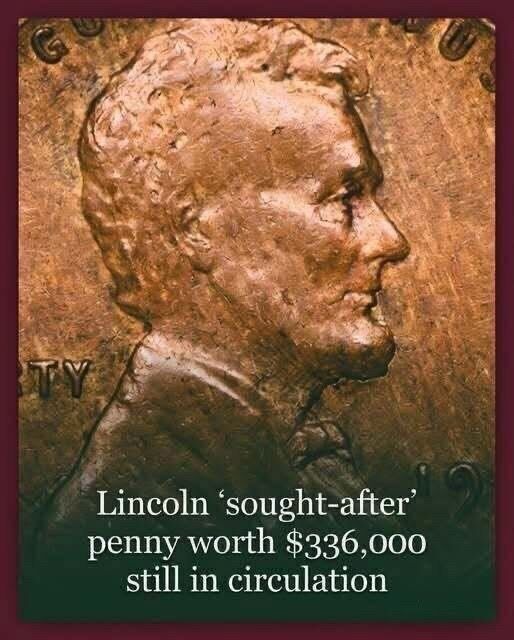
How a Few 1943 Pennies Were Accidentally Made in Bronze
Wartime production moved fast, and U.S. mints were striking enormous quantities of coins. In the middle of that high-volume workflow, a small number of leftover bronze planchets (blank coin discs) from the prior year likely remained in the equipment. When the presses ran 1943 cents, those stray bronze blanks were struck with 1943 designs—creating the legendary 1943 bronze (copper-colored) penny.
Those accidental coins were then mixed in with standard steel cents and released into circulation, which is exactly why the story still feels like a real-life treasure hunt.
When the Public Learned the Truth
By the late 1940s, reports of copper-colored 1943 pennies started circulating widely. As the rumor spread, people began checking change drawers, piggy banks, and coin rolls from the bank. The idea was simple: if a rare penny could be hiding in plain sight, anyone might find one.
Over time, the 1943 bronze cent became one of the most famous U.S. mint errors ever documented—part history lesson, part mystery, part “what if?” dream.
How Much Is a 1943 Bronze Penny Worth?
Values depend heavily on authenticity, mint mark, and condition, but this coin is consistently associated with high-end auction prices. Well-preserved examples have reached six figures, and exceptional coins have achieved even more in headline-making sales.
Experts often estimate that only a very small number exist—commonly cited figures are around a couple dozen or fewer. That scarcity is a major reason collectors, investors, and auction houses treat the coin like a blue-chip rarity.
Beware: Fakes and Altered Coins Are Extremely Common
Because the potential payoff is so high, the market is crowded with counterfeits. Some are steel cents coated to look copper. Others are altered dates from different years. This is why serious buyers—and reputable sellers—rely on professional authentication.
If you think you’ve found one, here are a few widely used screening checks collectors discuss:
- Magnet test: A normal 1943 steel penny sticks to a magnet. A genuine bronze one generally will not.
- Weight check: Steel cents are about 2.7 grams, while bronze cents are around 3.11 grams. A precise scale matters.
- Professional grading: The safest step is submitting to a trusted third-party grading service for verification.
Important: Don’t clean the coin. Cleaning can reduce collector value and make authentication harder.
Why This Coin Still Captivates Collectors Today
The 1943 bronze cent isn’t just valuable—it’s a snapshot of wartime America. The contrast between the common steel penny and the rare bronze mistake reflects how quickly the country adapted its manufacturing to meet global demands. For collectors, that combination of historical significance, extreme rarity, and real-world auction results is hard to beat.
And every so often, a discovery story pops up—often involving old family coin jars, inherited collections, or childhood change—keeping the legend alive for a new generation.
What to Do If You Think You Found One
- Test it with a magnet and weigh it with a precise scale.
- Handle it carefully by the edges and store it in a protective holder.
- Take clear photos (front, back, and close-up of the date and mint mark).
- Consult a reputable coin dealer or submit it to a recognized grading/authentication service.
If it turns out to be authentic, you’re not just holding a penny—you may be holding one of the most famous valuable error coins in U.S. history.
CTA: Have you ever found an unusual coin in your change or inherited collection? Share what you found in the comments—and if you want, tell me the year and mint mark and I’ll suggest the next steps to check it safely.