
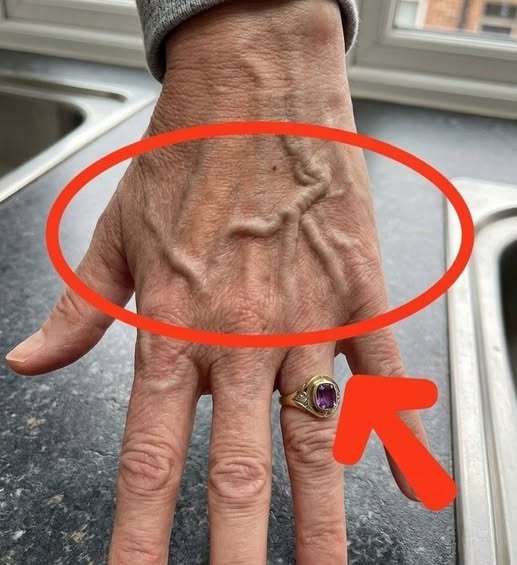
Exercise and Circulation Changes
Physical activity has a direct impact on how visible veins become. During movement, muscles require more oxygen, increasing blood flow throughout the body.
This relationship helps explain how blood flow depends on vessel size and speed. During exercise, both can increase, which often makes veins appear fuller and more defined.
Strength training is especially known for this effect. Repeated muscle contractions push blood through the vessels more forcefully, which can make veins more noticeable over time. In most cases, this is a normal and healthy response.
Aging and Skin Changes
As the body gets older, skin naturally becomes thinner and less elastic. With reduced collagen, the structures underneath the skin—including veins—become easier to see.
This is especially common in areas like the hands, arms, and legs. These changes are a normal part of aging and are not usually a sign of illness on their own.
Genetics and Individual Differences
Genetics also play a major role in how visible veins appear. Some people naturally have more prominent veins due to inherited traits.
Skin tone can also influence visibility. Lighter skin may make veins stand out more, while darker skin tones may make them less visible. These differences are completely normal and vary widely between individuals.
When Vein Changes May Need Attention
Although visible veins are often harmless, certain changes may require closer attention.
It’s important to be aware of symptoms such as:
- Pain or tenderness in the area
- Swelling in the limbs
- Redness or warmth along a vein
- Sudden or unusual changes in appearance
When these signs appear together, they may indicate circulation issues that should be evaluated by a healthcare professional.
Common Vein Conditions
Some conditions can affect the appearance and function of veins. One of the most common is varicose veins, where veins become enlarged or twisted beneath the skin.
In other cases, blood circulation may slow down, causing blood to pool and veins to become more noticeable. More serious conditions can involve blockages or clots, which usually come with additional symptoms.
Recognizing early changes can help support better long-term vascular health.
Supporting Healthy Circulation
Good circulation often depends on simple daily habits. Regular movement, such as walking or light exercise, helps keep blood flowing efficiently.
Maintaining a healthy weight can also reduce pressure on the circulatory system. Staying well hydrated supports proper blood flow and overall vascular function.
In some situations, compression garments may be recommended to gently support circulation, especially for people who spend long periods sitting or standing.
When to Seek Medical Advice
If vein changes happen suddenly or are accompanied by ongoing discomfort, it’s important to seek medical guidance. A healthcare professional can assess symptoms and determine whether further evaluation is needed.
Early attention helps ensure that any underlying issues are identified and managed properly.
Listening to Your Body
Visible veins are often just a natural reflection of changes happening inside the body. In many cases, they are harmless and temporary. In others, they can provide useful clues about circulation and overall health.
Understanding these differences helps reduce unnecessary worry and encourages timely care when needed.
If you found this helpful, share your thoughts or experiences in the comments. Stay informed and explore more simple health insights to better understand your body every day.