
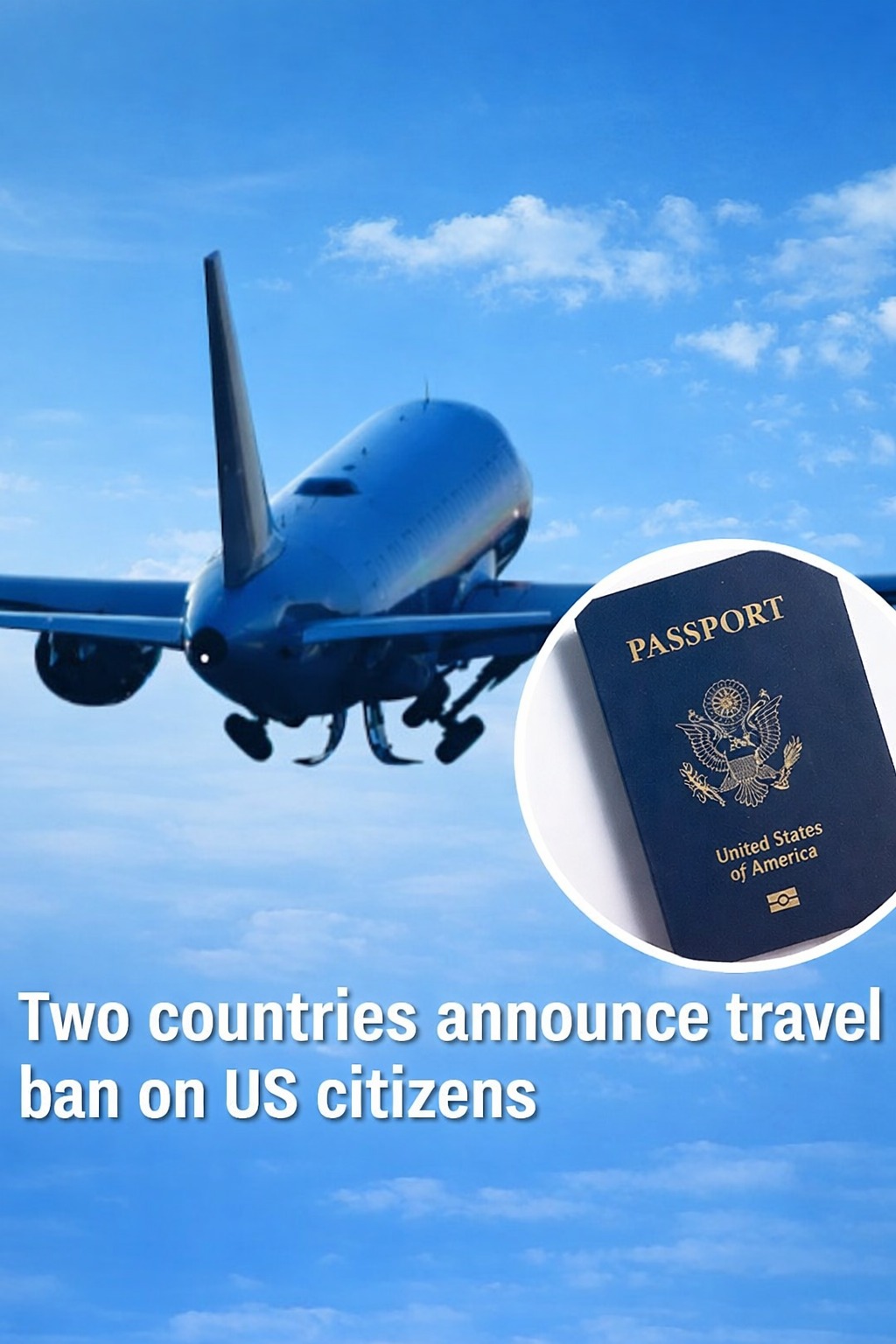
Why These Changes Are Happening Now
Multiple factors have contributed to the current situation:
Shifting diplomatic relationships: International partnerships in the region have evolved considerably over recent years, with some traditional alliances being reconsidered and new relationships forming.
Regional security dynamics: The Sahel faces ongoing security challenges that influence how governments approach border control and international cooperation.
Governance transitions: Several countries in the region have experienced political changes that have affected their foreign policy priorities and diplomatic strategies.
Global travel policy trends: Changes in visa policies reflect broader patterns in how nations worldwide are reassessing their approach to international travel and security.
How This Affects Different Types of Travelers
Business Travelers
Companies with operations in West Africa or those looking to expand into the region face new logistical considerations. Corporate travel that was once routine now requires additional planning and may involve:
- Extended visa processing times
- More extensive documentation requirements
- Potential need for alternative staffing arrangements
- Higher travel compliance costs
Tourists and Adventure Travelers
West Africa offers rich cultural experiences, historic sites, and unique landscapes. However, travelers interested in visiting Mali, Burkina Faso, Niger, or Chad should:
- Research current entry requirements thoroughly before booking
- Consider whether travel restrictions make their planned itinerary feasible
- Explore alternative destinations in West Africa if their preferred locations are difficult to access
- Work with travel agencies familiar with the current visa environment
Expatriates and Long-Term Residents
Americans currently living in affected countries or planning long-term stays face unique challenges regarding visa renewals, re-entry permissions, and residential status. These individuals should:
- Consult with immigration specialists about their specific situations
- Keep documentation current and comprehensive
- Maintain communication with relevant embassy or consular offices
- Plan international travel carefully to avoid complications
Nonprofit and Development Workers
Humanitarian organizations, development projects, and NGOs operating across the Sahel region must adapt to mobility restrictions that can affect:
- Staff deployment and rotation schedules
- Project implementation timelines
- Emergency response capabilities
- Partnership and collaboration efforts
Practical Steps for American Travelers
If you’re considering travel to West Africa or need to visit for business or family reasons:
Before You Plan
- Verify current requirements: Contact the embassy or consulate of your destination country directly
- Check processing times: Visa processing may take longer than in the past
- Review travel advisories: The US State Department maintains updated information on travel conditions
- Consider travel insurance: Policies that cover trip cancellations may be particularly valuable
During Application Process
- Gather comprehensive documentation: Be prepared to provide more detailed information than you might for other destinations
- Allow extra time: Start the visa application process well in advance of your intended travel dates
- Keep copies: Maintain digital and physical copies of all travel documents
- Stay in communication: Follow up appropriately on application status
Alternative Planning
- Explore other West African destinations: Countries like Senegal, Ghana, or Côte d’Ivoire may have different entry requirements
- Consider virtual alternatives: For business meetings, video conferencing may be a practical interim solution
- Work with specialists: Travel agencies or consultants with West Africa expertise can provide valuable guidance
The Economic Impact of Travel Restrictions
Travel limitations affect more than individual travelers. The economic implications include:
Trade and investment: Reduced business travel can slow commercial relationships and investment opportunities that benefit both US and West African economies.
Tourism revenue: Countries that depend on tourism income may see decreased visitor numbers, affecting local businesses and employment.
Educational exchange: Universities and educational institutions in both regions experience challenges in maintaining student and faculty exchanges.
Remittances and family support: When family members cannot easily travel between countries, it affects personal financial support networks and family connections.
What Might Change Going Forward
Travel policies are not static. Several scenarios could lead to modifications:
Diplomatic negotiations: Ongoing discussions between governments could result in new agreements that ease restrictions for travelers from both sides.
Policy reviews: Countries periodically reassess their visa requirements based on changing circumstances and evolving relationships.
Bilateral agreements: Specific arrangements between the US and individual nations might create paths toward improved travel access.
Regional coordination: West African countries sometimes coordinate their approaches to shared challenges, which could influence future visa policies.
Staying Informed About Policy Updates
To keep current with the latest information:
- Official government sources: Monitor announcements from the US State Department and the foreign ministries of destination countries
- Embassy communications: Subscribe to email updates from relevant embassies
- Professional networks: Join groups focused on West Africa travel, business, or expatriate life
- News monitoring: Follow reputable international news sources covering West African affairs
- Travel industry updates: Airlines and travel companies often provide alerts about changing entry requirements
Understanding the Bigger Picture
These visa policy changes reflect complex dynamics in international relations. While they create immediate challenges for travelers, they also represent how nations assert their interests and negotiate their relationships on the global stage.
For individuals and organizations with connections to West Africa, adapting to this new environment means:
- Building flexibility into travel plans
- Developing relationships with local partners who can provide ground-level insights
- Staying informed about evolving policies
- Maintaining patience and cultural sensitivity when navigating bureaucratic processes
Resources and Support
Several organizations can provide assistance:
US State Department: Offers country-specific information, travel advisories, and consular services for Americans abroad.
Embassies and Consulates: Provide official information about visa requirements and can assist with specific questions about individual situations.
Professional immigration services: Attorneys and consultants specializing in international travel can offer personalized guidance for complex cases.
International business organizations: Groups like chambers of commerce often have resources for members doing business in West Africa.
Cultural and educational organizations: Institutions focused on US-Africa relations may offer insights and connections.
Final Thoughts
While current visa restrictions create challenges for American travelers to certain West African countries, understanding the situation and planning accordingly can help minimize disruptions. The key is staying informed, being flexible, and recognizing that international travel policies evolve in response to changing political and security circumstances.
Whether you’re traveling for business, humanitarian work, education, or personal reasons, approaching the current environment with patience and thorough preparation will serve you well. As relationships between nations continue to develop, the travel landscape may shift again, potentially creating new opportunities for easier access in the future.
For now, American travelers interested in the Sahel region should focus on gathering accurate information, allowing sufficient time for planning, and remaining adaptable as circumstances change.