It was his fiancée, the woman he had been told died eighteen years earlier while pregnant.
The Photograph Changed Everything
For years, he believed he had lost both his fiancée and their unborn child. The grief had shaped every part of his life. Finding Emily and Grace on the beach had seemed like an impossible coincidence, a painful day that somehow turned into a second chance at fatherhood.
But the photograph suggested something else entirely.
Emily and Grace explained that once they turned eighteen, they had begun looking into their adoption and birth records. What they found did not line up cleanly. Some dates appeared inconsistent. Names had been removed. One file described them as abandoned infants, while another referred to them as children under temporary protection.
That phrase stayed with them.
Then they found another note in the records: Do not contact the father until the children are safe.
It meant someone had known who their father was. It also meant the story he had been told all those years ago may have been incomplete.
The sisters discovered that their mother had apparently been asking questions before she died. They also found references suggesting someone had used her name in connection with moving money. Their father rejected the idea that his fiancée would have been involved in anything dishonest, but the detail brought back memories he had tried to bury: nervous phone calls, half-finished explanations, and one question she had asked before going to the hospital.
Would he ever leave everything behind if it meant keeping his child safe?
At the time, he thought she was talking about parenthood. Now, he was no longer sure.
The Hidden Box Beneath the Beach
Emily and Grace had not only studied records. They had gone back to the beach where they were found. Inside the old changing cubicle, they discovered a small hidden space beneath the floor. Inside it was a metal box, scratched, dirty, and clearly left there long ago.
The box contained photographs, a folded letter, and a hospital bracelet. The name on the bracelet was the name their parents had chosen before the tragedy.
The letter appeared to have been written by their mother. In it, she apologized for leaving behind a story that was not the whole truth. She wrote that she had discovered something dangerous while pregnant and had become afraid that someone close to her was involved. She did not know who she could trust.
According to the letter, the beach was chosen because someone she trusted could reach it without attracting attention. The plan was not to abandon the babies, but to protect them until they could be safely retrieved.
But the person who was supposed to collect them never came.
That raised the question that changed the father’s understanding of the past: if he was not meant to find the twins, why had he been taken to that beach that day?
The answer appeared to point toward Chris, the friend who had been with him when he discovered the babies and who was present when police arrived.
Why This Matters
Stories like this are compelling because they sit at the intersection of family, identity, and hidden records. For adoptees and families who search for answers later in life, paperwork can become more than a formality. Birth records, hospital documents, legal files, and old photographs can reshape an entire life story.
In this case, the girls’ search was not simply about curiosity. It led them to questions about their mother, their birth, and the people who made decisions around them when they were too young to know anything at all.
The final piece came through a phone call with a woman connected to the past. She said she had promised the girls’ mother she would protect her daughters. She also revealed that their father had never been meant to be at the beach.
Chris, she said, had changed the plan.
For eighteen years, the father believed his friend had taken him to the beach to help him heal. He believed the babies had been abandoned. He believed he had rescued them by chance.
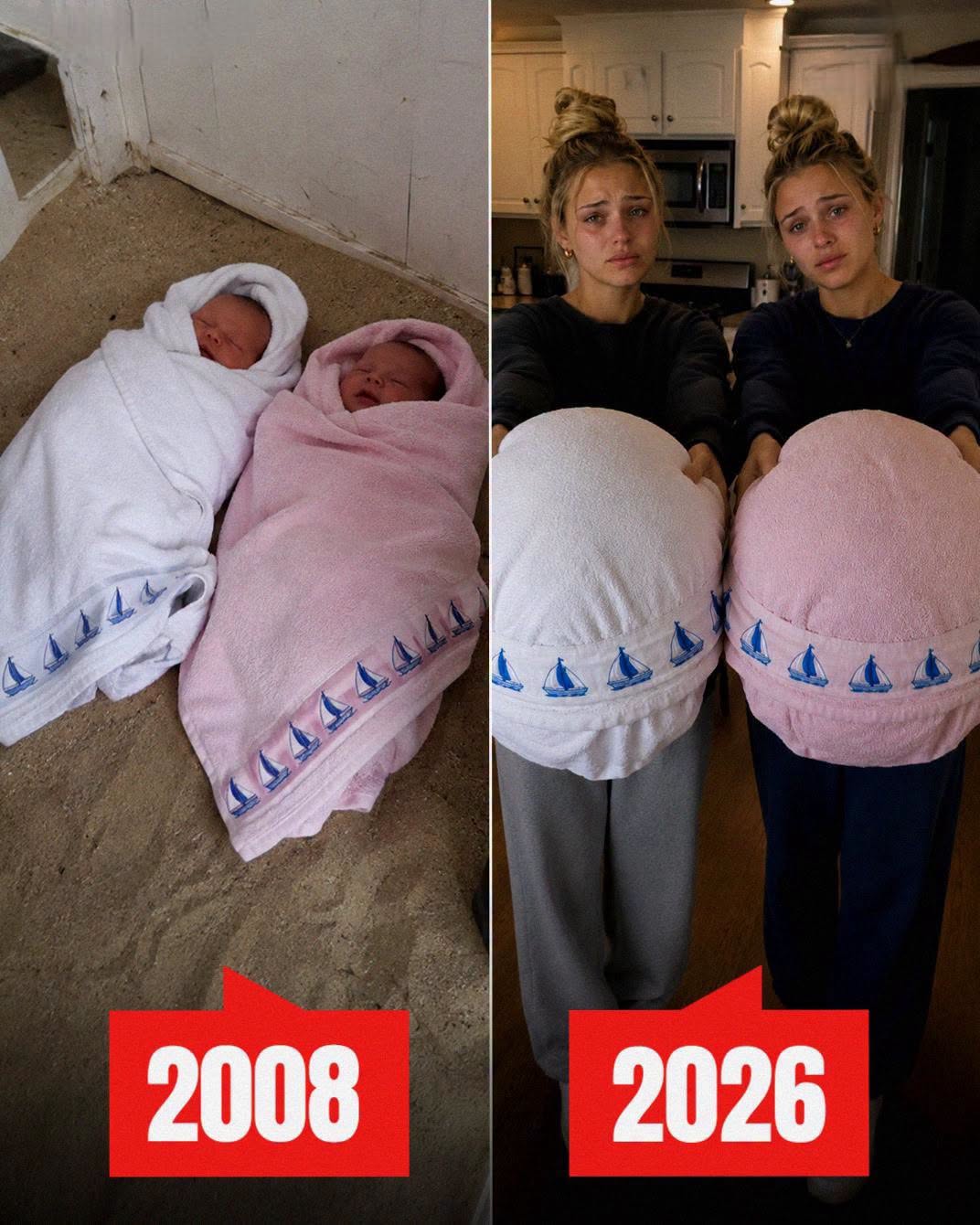
Now, the old towels on the table told a different story. They were not just keepsakes from the day he became a father. They were the last visible pieces of a plan their mother had set in motion before they were born.
And as Emily reached for his hand, one thought became impossible to ignore: maybe he had not simply saved the twins that day. Maybe, in a way none of them understood until now, they had saved him too.
Some family secrets stay hidden for years, but the smallest objects can sometimes carry the truth back home.